Build on the
Kodex network.
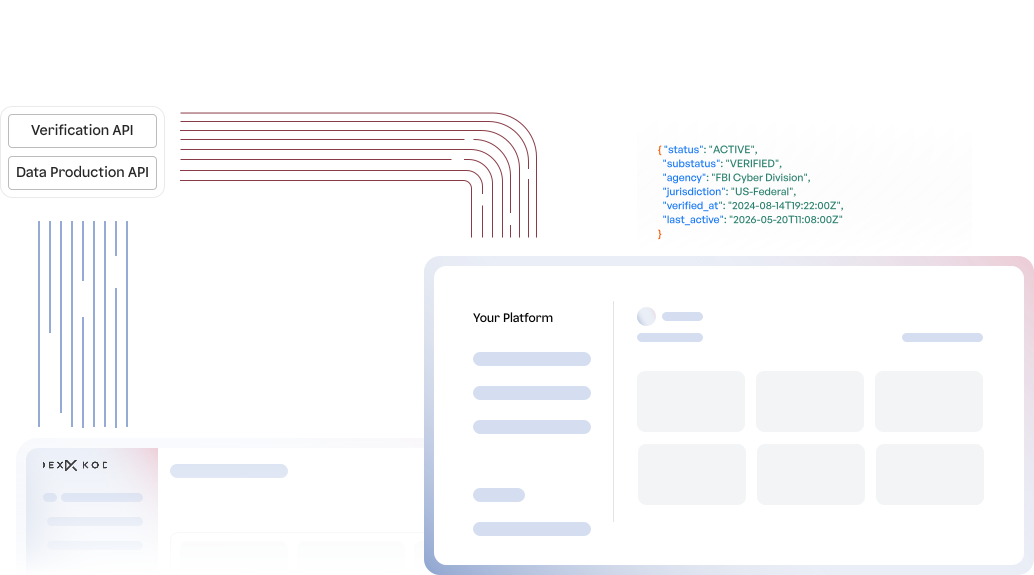
Some teams want the Kodex application. Others have already built their own. The Kodex API gives you programmatic access to the same network, verification engine, and data production workflow the application runs on. Build what you want on top of it.

.png)


Three APIs.
One network.
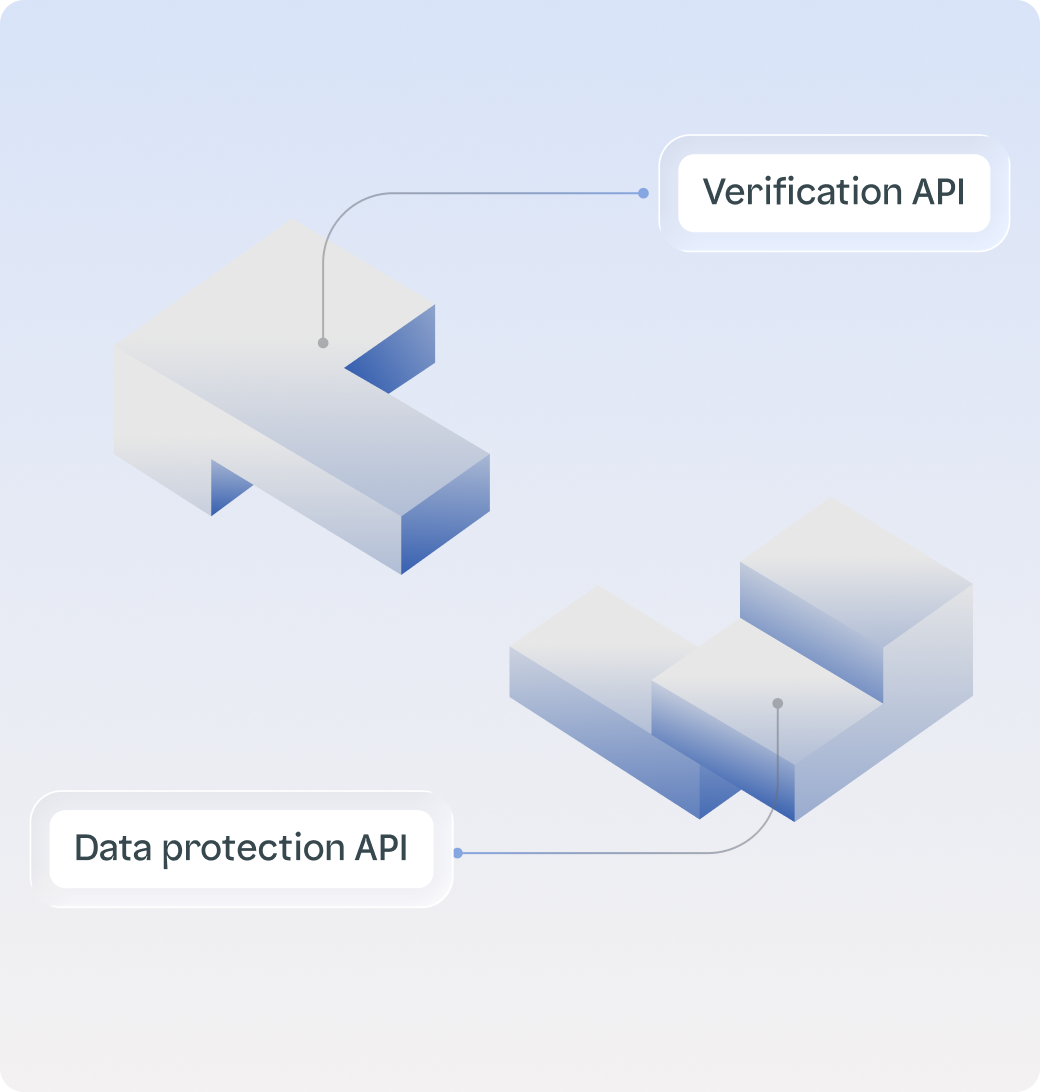
The Kodex API is one surface: the Verification API, the Targets API, and status webhooks. Same authentication, same network, same intelligence layer. Only the endpoint changes.
Verification API
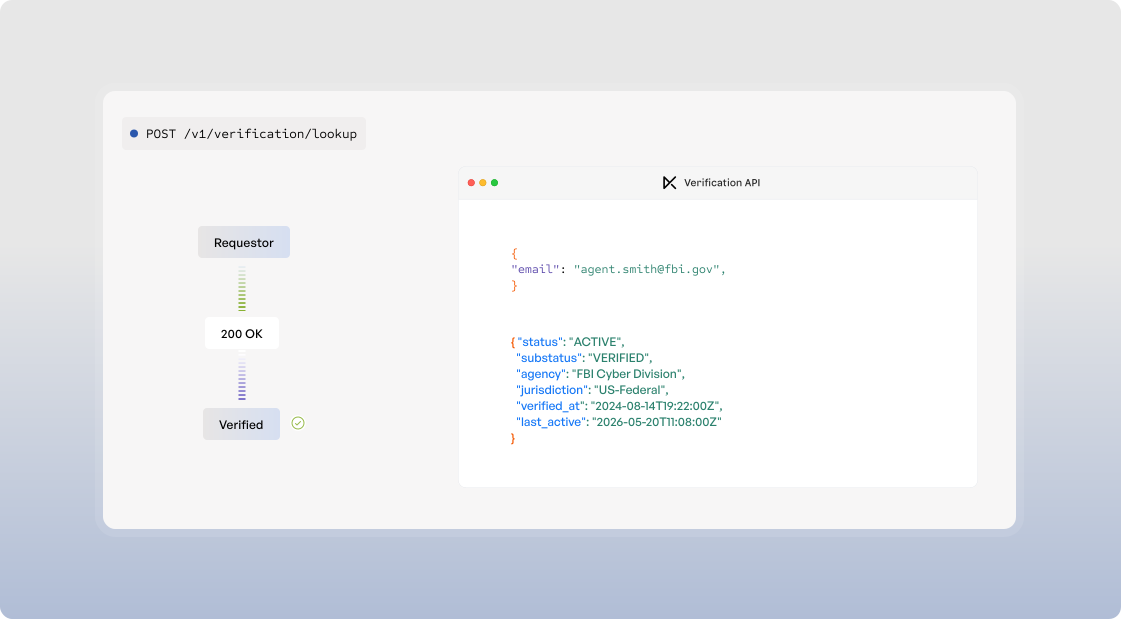
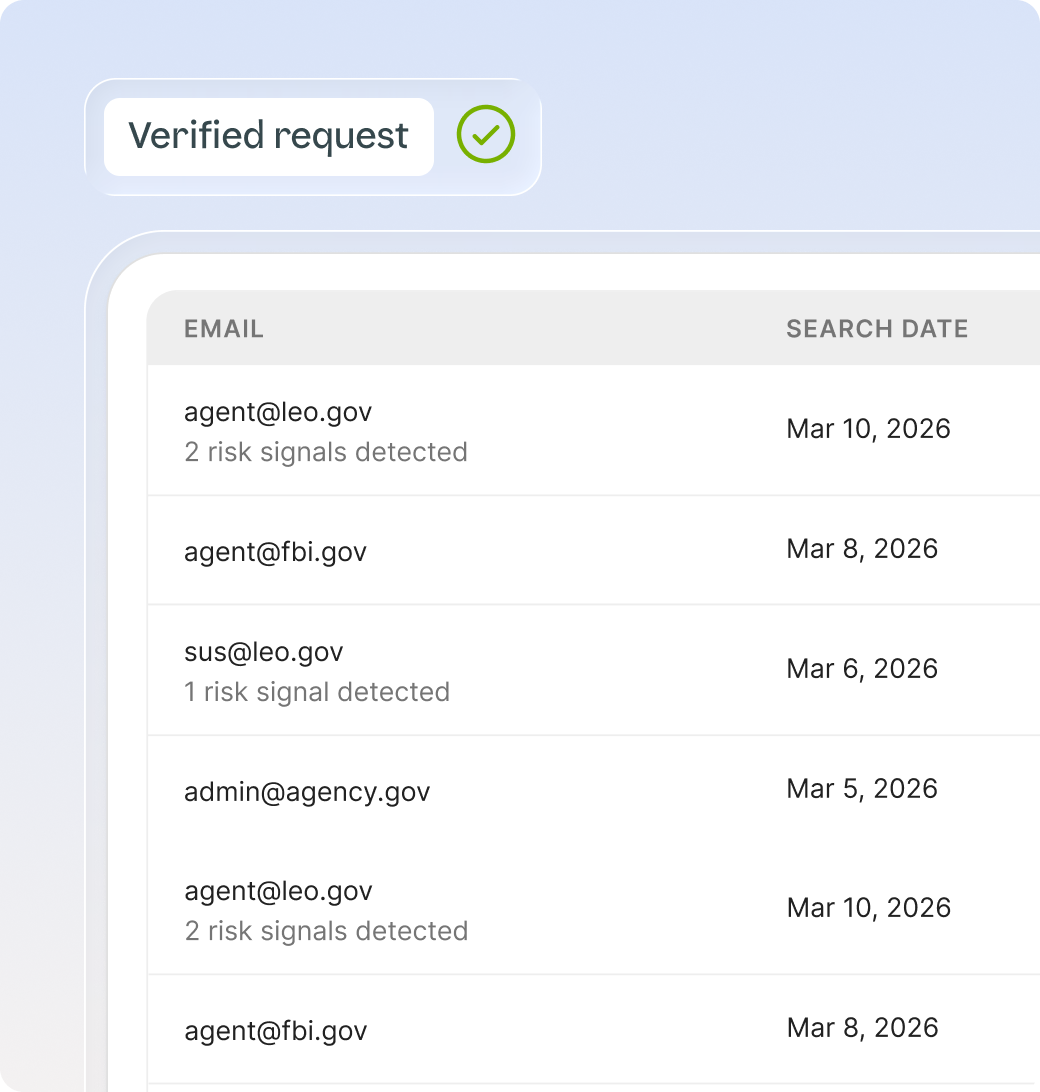
Pass in a requester. Get back a verified-or-not result, with the metadata your systems need to act on it. Drop it into your intake flow, your case opener, or your account access path: anywhere the trustworthiness of the counterparty changes what your team does. The same verification engine that gates the Kodex portal, exposed for your own systems.
.svg)
Targets API
Automate the work of producing data on a verified request. Account lookups return programmatically from your backend. Drafts surface for review before they leave your environment. The data your team produces stays in your environment until you decide to deliver it.
.svg)
Status webhooks
Get notified the moment an agent's credentials change.
What you can build
A few of the patterns customers run on the API today.


Smarter legal intake
Verify the requester behind every inbound legal request before a case is ever opened.
Native integration
Embed Kodex verification inside your own product, so your customers benefit from the network without ever leaving your surface.
Engineer-free workflows
Pull the data behind a verified request directly from your systems of record, with no engineer in the loop.
Secure draft routing
Route drafts through your existing review workflow before anything leaves your environment.
Complete audit trails
Stream every verification, every production, every delivery into your SIEM and audit pipeline.


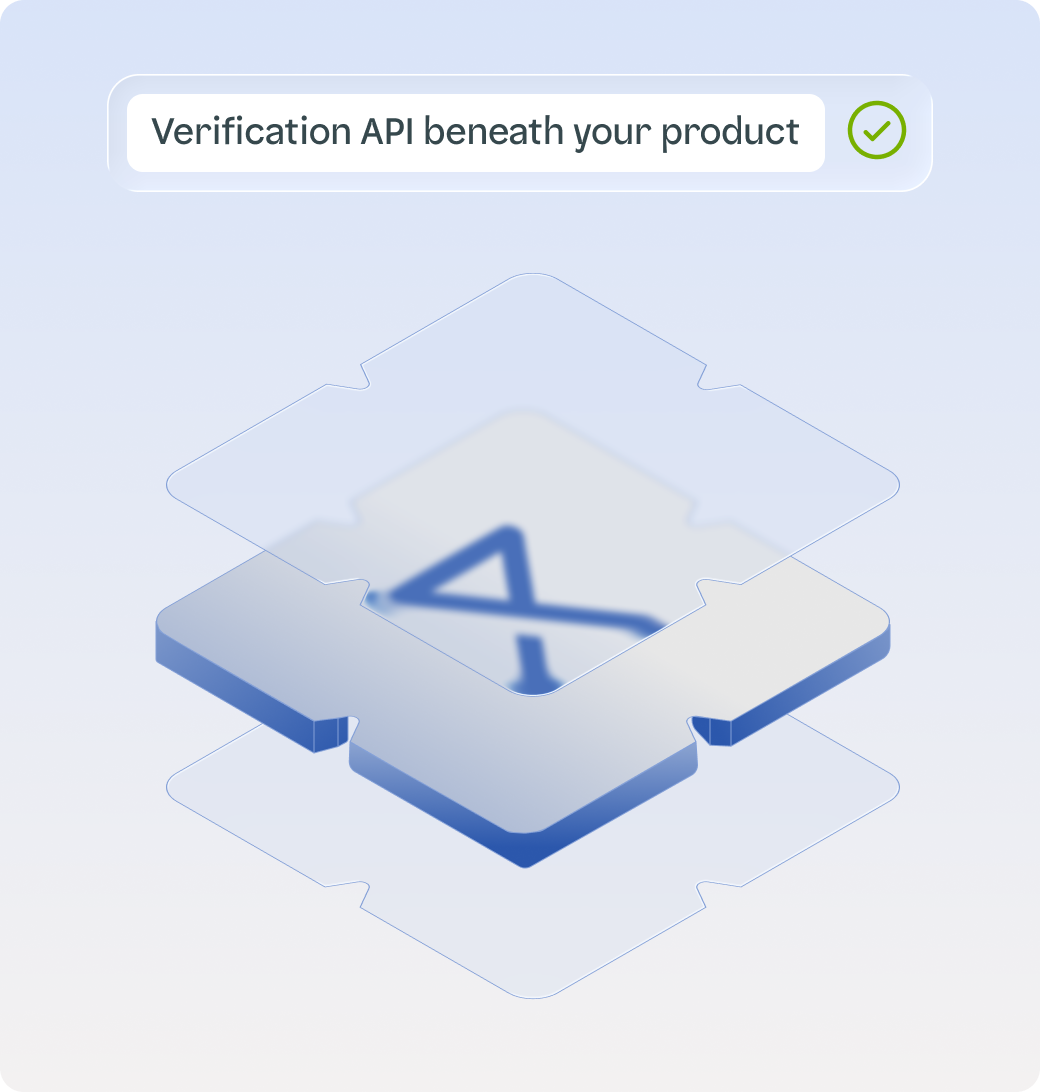
When the API is the right choice.
How it works.
Authenticate.
Scoped API keys for service-to-service calls. OAuth for user-context flows. Same auth posture as the portal.
Call.
Verification or Data Production endpoint. JSON in, JSON out.
Handle.
The response is signed, logged, and replayable in your own systems.
Audit.
Every call writes to the same audit trail the portal does. One source of truth across both surfaces.
Built by the team
behind the network.
The API isn't a layer on top of the product. It's the same engine that powers Kodex: verification, threat intelligence, audit trails, and network coverage, available in your environment.


Questions
Everything about building on the Kodex API.
The Kodex API is programmatic access to the network. The Verification API returns a real-time verification status for any law enforcement requester from one email lookup. The Targets API automates producing data on verified requests. Status webhooks tell you when a standing changes.
Teams that already have their own systems: legal and compliance teams with an in-house legal center, platforms embedding verification in their own product, and engineering teams that treat lawful data access as infrastructure. If you'd rather use a finished application, that's Kodex Core.
Send a requester's email to the Verification API. It returns the agent's standing, their agency's status, and the domain's risk level, checked against the Kodex Global Network in real time. One call, JSON in, JSON out.
With scoped API keys, sent in a request header. Keys are created and managed by your admins, and every call is logged to the same audit trail as the Kodex application. A demo environment is available for integration testing.
Yes. Kodex provides a demo environment with test data, so your engineers can build and validate the integration end to end before production keys are issued. The interactive reference at docs.kodexapi.com lets you try calls in the browser.
Talk to your Kodex account team, or reach out through the contact page. API access is provisioned per organization, with keys scoped to what your integration needs.